
Our Research

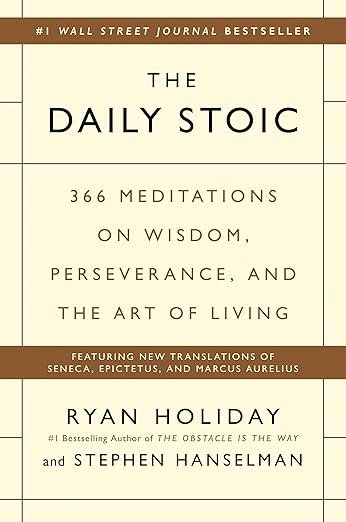
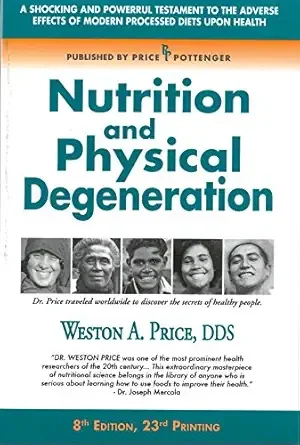
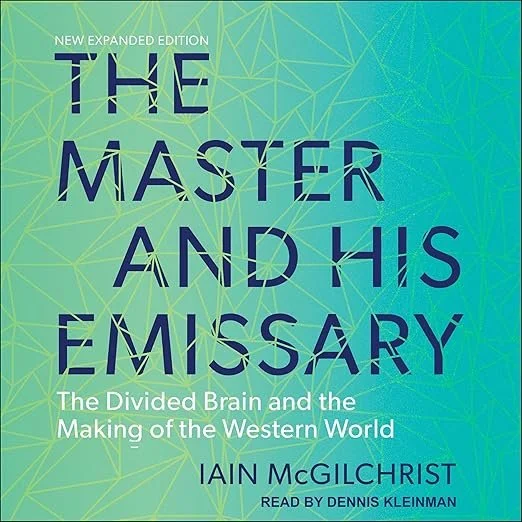
Reading







Research
1. Kabat-Zinn J. (2013). Full Catastrophe Living (Revised Edition). Bantam Books. Mindfulness-based stress reduction manual linking practice to health outcomes. 2. Segal ZV, Williams JMG, Teasdale JD. (2012). Mindfulness-Based Cognitive Therapy for Depression, 2nd ed. Guilford Press. 3. Goyal M. et al. (2014). Meditation programs for psychological stress and well-being: A systematic review and meta-analysis. JAMA Internal Medicine. 4. Khoury B. et al. (2013). Mindfulness-based therapy: A comprehensive meta-analysis. Clinical Psychology Review. 5. Galante J. et al. (2021). A mindfulness-based intervention to increase resilience to stress in university students: A pragmatic RCT and meta-analysis. PLOS Medicine. 6. Creswell JD. (2017). Mindfulness interventions. Annual Review of Psychology. 7. Davidson RJ, McEwen BS. (2012). Social influences on neuroplasticity: Stress and interventions to promote well-being. Nature Neuroscience. 8. Britton WB. (2019). Can mindfulness be too much of a good thing? The value of a middle way. Current Opinion in Psychology. 9. Baer RA. (2003). Mindfulness training as a clinical intervention: A conceptual and empirical review. Clinical Psychology: Science and Practice. 10. Brewer JA. (2017). The Craving Mind. Yale University Press. Mindfulness, habit loops, and addiction. 11. Porges SW. (2011). The Polyvagal Theory: Neurophysiological Foundations of Emotions, Attachment, Communication, and Self-Regulation. W. W. Norton. 12. Lehrer PM, Gevirtz R. (2014). Heart rate variability biofeedback: How and why does it work? Frontiers in Psychology. 13. Russo MA, Santarelli DM, O’Rourke D. (2017). The physiological effects of slow breathing in the healthy human. Breathe. 14. Jerath R. et al. (2015). Mechanisms of pranayama in regulating the autonomic nervous system. Medical Hypotheses. 15. Zaccaro A. et al. (2018). Psychophysiological correlates of slow breathing: A systematic review. Frontiers in Human Neuroscience. 16. Nestor J. (2020). Breath: The New Science of a Lost Art. Riverhead Books. 17. Laborde S, Mosley E, Thayer JF. (2017). Heart rate variability and cardiac vagal tone in psychophysiological research. Frontiers in Psychology. 18. Lehrer PM, Eddie D. (2013). Dynamic processes in regulation and some implications for biofeedback and biobehavioral interventions. Applied Psychophysiology and Biofeedback. 19. Tracy LM. et al. (2019). Respiratory interventions and vagal nerve activity: A review. Neuroscience & Biobehavioral Reviews. 20. Brown RP, Gerbarg PL. (2005). Sudarshan Kriya yogic breathing in the treatment of stress, anxiety, and depression. Journal of Alternative and Complementary Medicine. 21. Schuch FB. et al. (2016). Exercise as a treatment for depression: A meta-analysis adjusting for publication bias. Journal of Psychiatric Research. 22. Cooney GM. et al. (2013). Exercise for depression. Cochrane Database of Systematic Reviews. 23. Blumenthal JA. et al. (1999). Effects of exercise training on older patients with major depression. Archives of Internal Medicine. 24. Stubbs B. et al. (2017). Anxiolytic effects of exercise for people with anxiety and stress-related disorders: A meta-analysis. Psychiatry Research. 25. Biddle SJH, Asare M. (2011). Physical activity and mental health in children and adolescents: A review of reviews. British Journal of Sports Medicine. 26. World Health Organization. (2020). WHO Guidelines on Physical Activity and Sedentary Behaviour. 27. Rebar AL. et al. (2015). Effect of exercise on depression and anxiety: A meta-analysis of randomized controlled trials. Journal of Sport and Exercise Psychology. 28. Mikkelsen K. et al. (2017). Exercise and mental health. Maturitas. 29. Novaes GS. et al. (2020). Resistance training and mental health: A review of current evidence. Sports Medicine. 30. Kandola A. et al. (2018). Physical activity and risk of depression: Systematic review and meta-analysis of prospective studies. American Journal of Psychiatry. 31. Firth J. et al. (2019). Dietary improvement and symptoms of depression and anxiety: A meta-analysis of randomized controlled trials. Psychosomatic Medicine. 32. Jacka FN. et al. (2017). A randomized controlled trial of dietary improvement for adults with major depression (the SMILES trial). BMC Medicine. 33. Parletta N. et al. (2017). A Mediterranean-style dietary intervention for adults with depression: The HELFIMED RCT. Nutritional Neuroscience. 34. Marx W. et al. (2017). Nutritional psychiatry: The present state of the evidence. Proceedings of the Nutrition Society. 35. Opie RS. et al. (2015). Dietary recommendations for the prevention of depression. Nutritional Neuroscience. 36. O’Neil A. et al. (2014). Relationship between diet and mental health in children and adolescents: A systematic review. American Journal of Public Health. 37. Logan AC, Jacka FN. (2014). Nutritional psychiatry research: An emerging discipline. World Psychiatry. 38. Li Y. et al. (2017). Adherence to a healthy diet and risk of depression: A meta-analysis. Public Health Nutrition. 39. Dash S. et al. (2015). Dietary patterns and depression: A systematic review. Australian & New Zealand Journal of Psychiatry. 40. Mayer EA. (2016). The Mind-Gut Connection. Harper Wave. 41. Prochaska JO, DiClemente CC. (1983). Stages and processes of self-change: Toward an integrative model of change. Journal of Consulting and Clinical Psychology. 42. Lally P. et al. (2010). How are habits formed: Modelling habit formation in the real world. European Journal of Social Psychology. 43. Fogg BJ. (2019). Tiny Habits: The Small Changes That Change Everything. Houghton Mifflin Harcourt. 44. Duhigg C. (2012). The Power of Habit. Random House. 45. Duckworth AL. (2016). Grit: The Power of Passion and Perseverance. Scribner. 46. Miller WR, Rollnick S. (2012). Motivational Interviewing: Helping People Change, 3rd ed. Guilford Press. 47. Deci EL, Ryan RM. (2000). The 'what' and 'why' of goal pursuits: Human needs and self-determination of behavior. Psychological Inquiry. 48. West R. (2005). Time for a change: Putting the Transtheoretical (Stages of Change) Model to rest. Addiction. 49. Michie S. et al. (2011). The behaviour change wheel: A new method for characterising and designing behaviour change interventions. Implementation Science. 50. Oettingen G. (2014). Rethinking positive thinking: Inside the new science of motivation. Current.
High-Level Chart (Effect on Depressive Symptoms)
All numbers are standardized mean differences (Hedges g / SMD) from recent meta-analyses.
More negative = larger reduction in depressive symptoms vs control.
Intervention typeTypical effect size on depressionInterpretationStructured exercise training−0.41Moderate improvementHealthy dietary interventions−0.28Small–to–moderate improvementMindfulness-based programs−0.53Moderate improvement
Across large-scale meta-analyses, three core health interventions—structured exercise training, dietary improvement, and mindfulness-based practices—consistently demonstrate meaningful returns on investment by significantly reducing depressive symptoms, improving stress physiology, and enhancing overall well-being. Structured exercise yields a moderate effect size (SMD ≈ −0.41), translating to measurable improvements in mood, energy regulation, and long-term disease risk at minimal financial cost, making it one of the highest-ROI behavioral interventions. Dietary interventions show small-to-moderate improvements (SMD ≈ −0.28), with benefits extending beyond mental health into cardiometabolic resilience, offering strong ROI when paired with sustainable nutrition habits. Mindfulness-based interventions produce moderate reductions in depression and psychological distress (SMD ≈ −0.53), delivering the most rapid nervous-system benefits relative to time investment due to their low-cost, high-adherence nature. When combined, these interventions demonstrate additive effects on emotional stability, cognitive performance, immune function, and recovery capacity. Collectively, the evidence indicates that integrating training, nutrition, and mindfulness produces a synergistic health ROI that surpasses any single modality alone, offering a scalable, cost-effective blueprint for improving mental and physical baseline function.
Diet / Nutrition
An umbrella review of RCTs on healthy dietary interventions for depression reported Hedges g ≈ −0.28 (95% CI 0.10–0.45 in absolute terms), indicating a small but significant reduction in depressive symptoms.Nature
A separate meta-analysis of dietary interventions in adults (Firth et al., 2019) found similar effects (g ≈ −0.16 to −0.22 depending on comparison).PubMed
Mindfullness
The PLOS Medicine meta-analysis of mindfulness-based programmes (MBPs) in non-clinical adults found, vs no intervention:
Depression: SMD ≈ −0.53
Psychological distress: SMD ≈ −0.45
Anxiety: SMD ≈ −0.56 PMC
Workplace and healthcare worker meta-analyses show similar small–to–moderate effects on stress, distress, and depression (Hedges g typically 0.3–0.7 in absolute value).SpringerLink+1